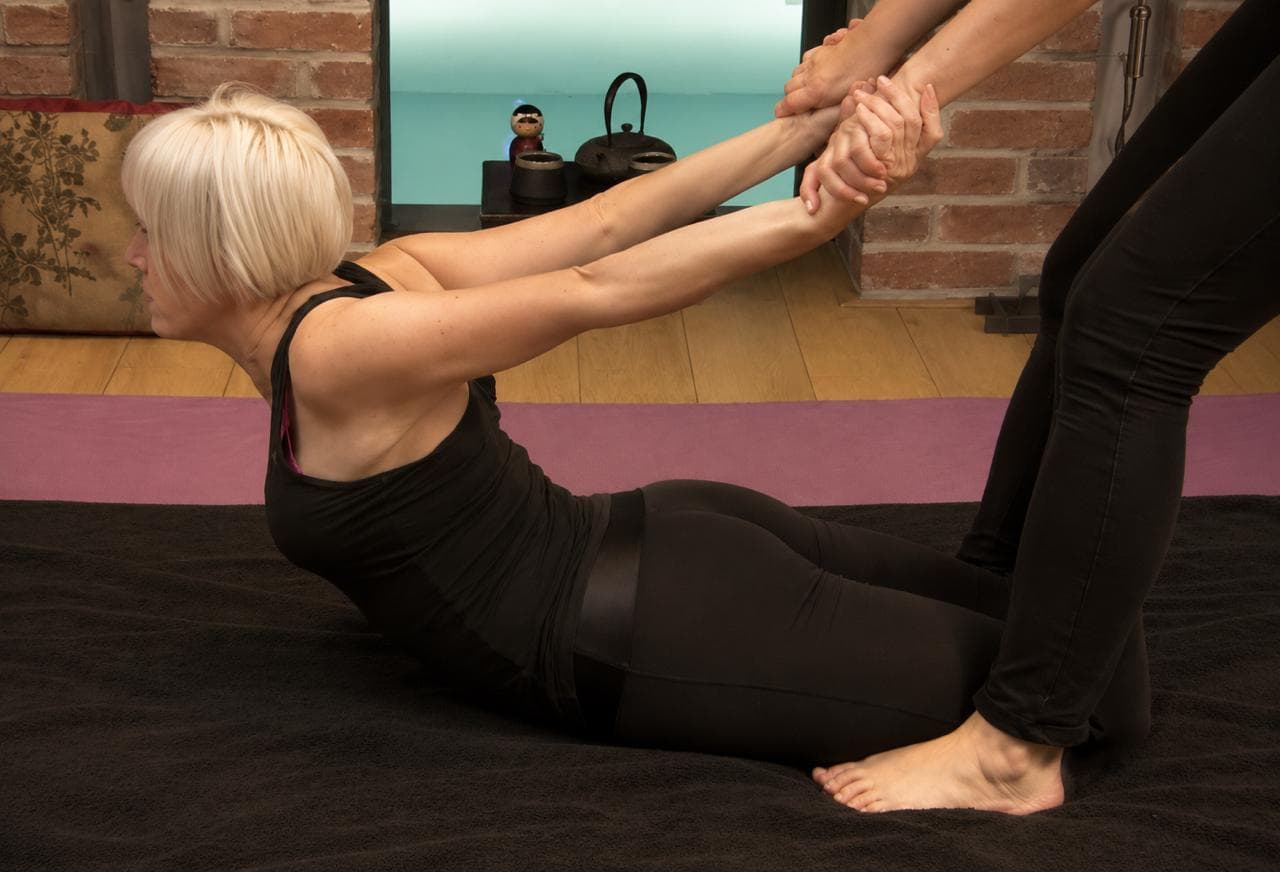
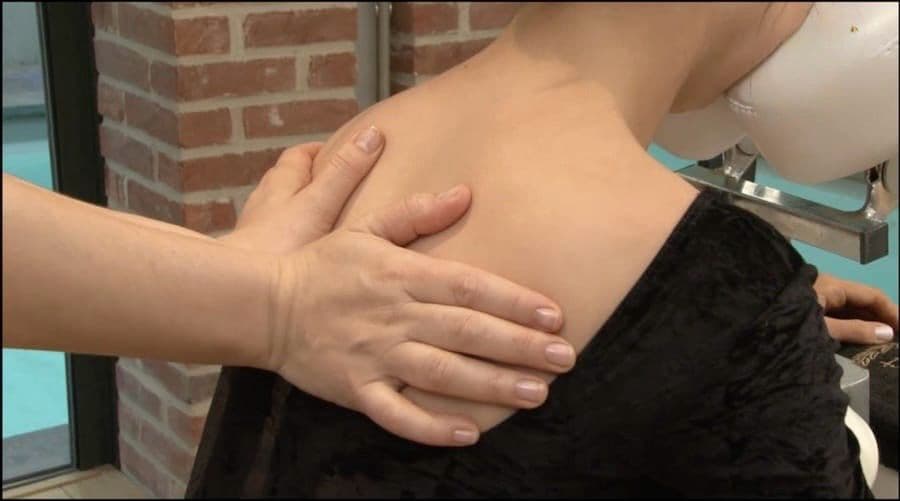
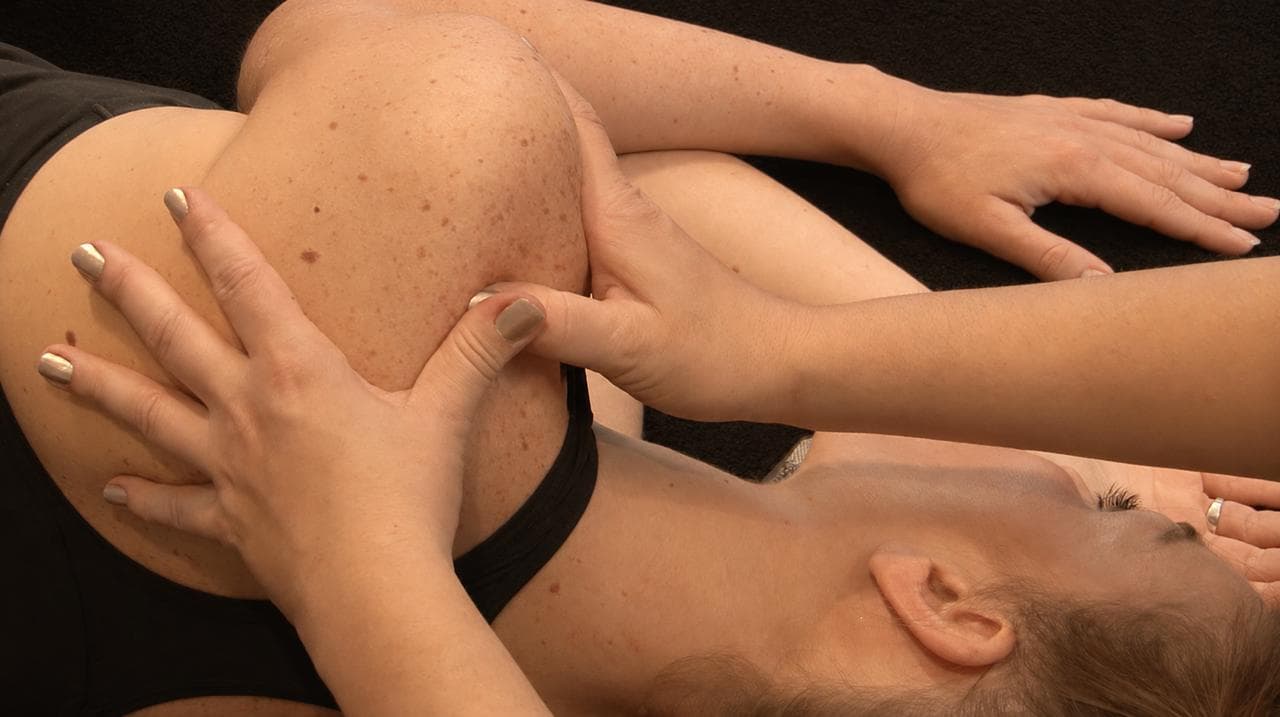
Martial Shiatsu is a type of Shiatsu originally designed for Samurai, Ninjas, and martial arts practitioners.
Nowadays, it is highly valued by all athletes for its great relaxing and muscle-relaxing properties.
Its deep pressure maneuvers and numerous stretches facilitate the elimination of lactic acid and the regeneration of the body after training or competitions.
This massage can be given to children practicing martial arts or high-level sports, from the age of 16, and only if their muscle mass allows it.
However, be careful never to apply strong pressure, as this technique is very intrusive.
In the preparation phase:
Shiatsu helps to improve the overall physical condition of the body.
In particular, it allows for deep relaxation of muscle groups, a release of the rib cage which optimizes breathing and provides relief for the joints.
It can therefore be carried out at any time during the physical preparation phase.
During the competition phase:
It is advisable not to have a full Shiatsu session within 48 hours before a competition, in order not to relax the muscles too much and not be too apathetic at the time of the events.
However, it is possible to receive an express Shiatsu session of about fifteen minutes, a few hours before a competition.
Be sure to finish the session with a tonic phase of a few minutes, based on percussion in order to re-energize the body.
In the recovery phase:
After intense physical exertion, it is ideally advisable to get a massage within 48 hours to quickly combat the stagnation of lactic acid, muscle contractions and soreness.
But also to regenerate the body as a whole, induce a state of deep relaxation and act on the mind.
During a period of inactivity or cessation of competition:
Intense physical activities generate a certain form of dependence, which must be taken into account in order not to turn into other addictions (food, alcohol, drugs…).
This intense activity triggers a significant release of dopamine and endorphins, which should be calmed through massage, relaxation sessions, sophrology, etc.
However, it is not advisable to avoid overly abrupt weaning.